

There’s More to Sprinting, than just Sprinting
In sprint events, margins are small. The difference between first and fifth place can be just a few hundredths of a second.
By the time athletes reach the elite level, everyone is physically capable. They’ve all completed the strength work, the speed work, and the conditioning. At that point, physical preparation is no longer the differentiator.

What separates the very best is psychology, the ability to execute when the moment becomes heavy with pressure.
Pressure doesn’t just exist in the mind. It changes the body.
Heart rate increases
Breathing becomes shallow
Muscles tighten
Timing begins to break down
In sprinting, where races may last 21 seconds or less, even the smallest disruption can have a huge effect.
A rushed start. A slightly shorter stroke. A mistimed breath. A long finish.
These small details add up quickly.
The athletes who perform best under pressure are the ones who can stay relaxed while moving at maximum speed.
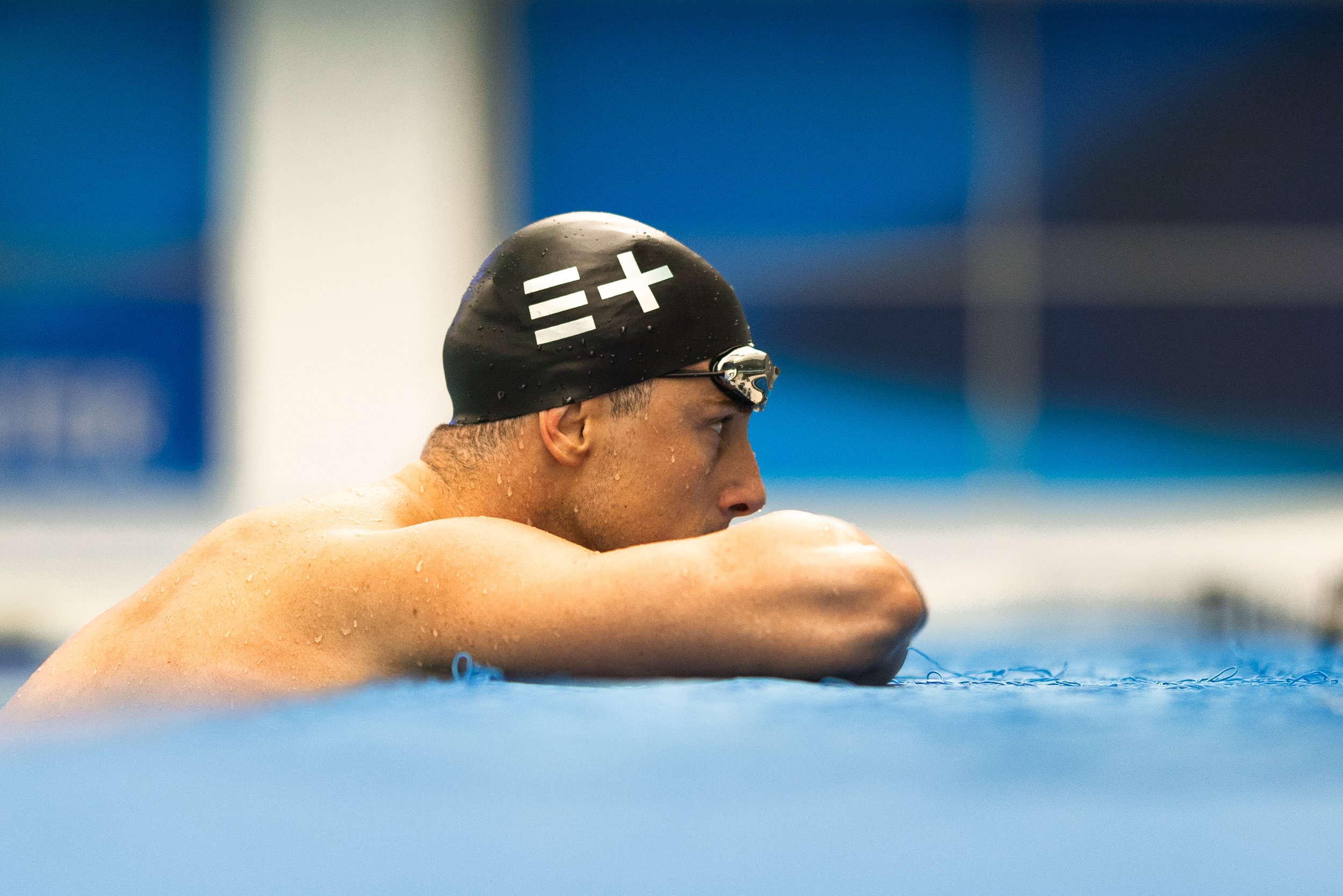
The moments just before a race are where elite sprinters often separate themselves from the rest of the field.
This is the quiet part of performance, the part most people never see.
What’s happening in those moments is a shift in the nervous system.
Sprinting is one of the most neurologically demanding activities an athlete can perform. Maximum speed requires extremely precise timing between the brain and the muscles. Every stroke, every kick, every breath must occur in the correct sequence.
If the brain becomes overloaded with stress, noise, or too many thoughts, the signal becomes messy. Muscles tighten. Stroke timing breaks down. Speed slows.
The key to managing pressure is focusing on the process rather than the outcome.
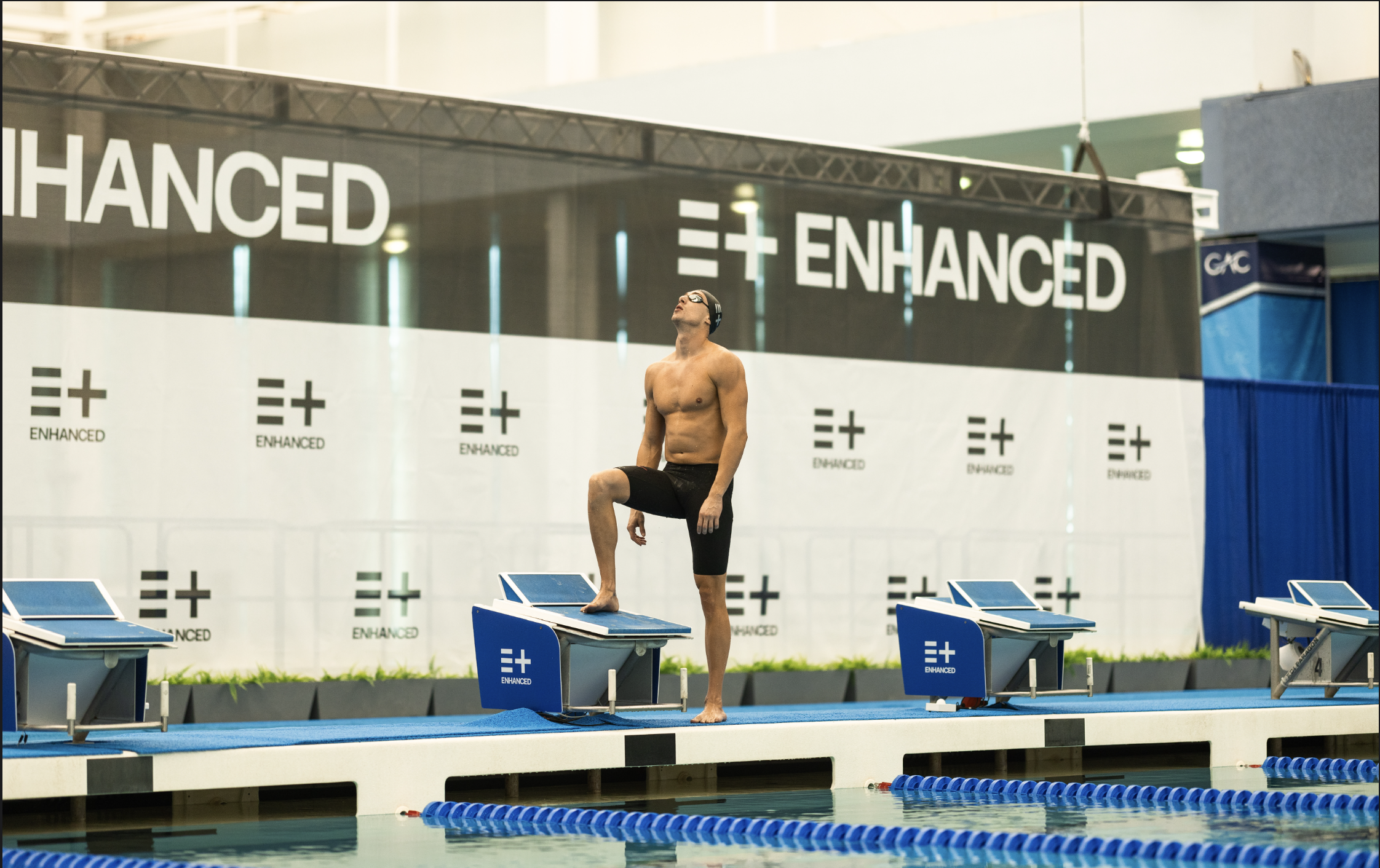
The best sprinters don’t stand on the blocks thinking about medals, rankings, or world records.
Instead, their attention narrows to a few simple execution cues:
The start
The underwaters
The breakout
The rhythm of the race
When the brain stays simple, the body can run the program it has rehearsed thousands of times in training.
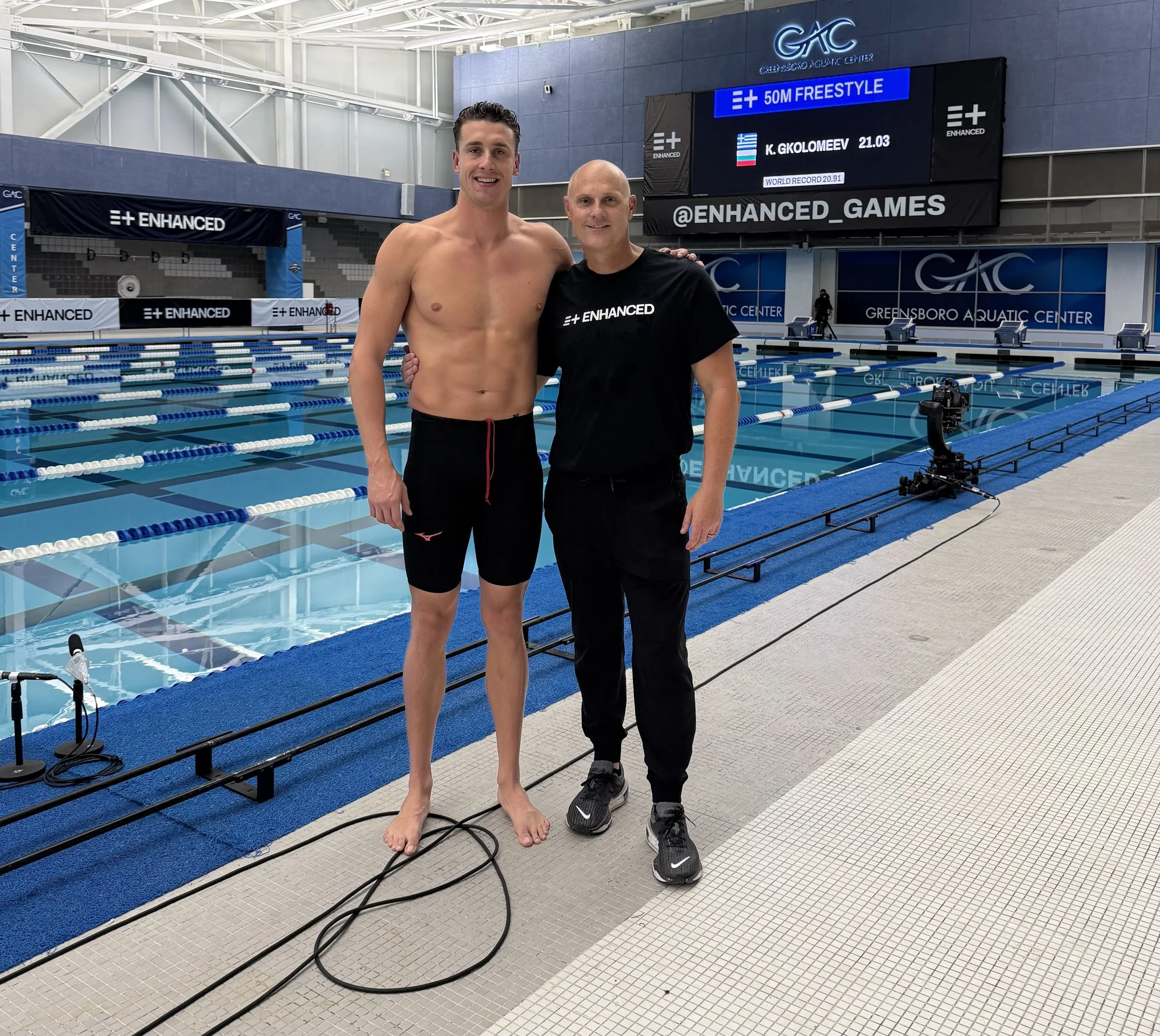
A great example of this mindset is when Kristian Gkolomeev broke the world record.
There was no packed stadium. No roaring crowd. No Olympic final atmosphere.
It was simply a quiet pool, a camera crew, and a small group standing on deck.
Yet Kristian approached the moment exactly the same way he would approach an Olympic final.
Same routine.
Same focus.
Same execution cues.
Because of that, he was able to access his full speed without the noise of the moment interfering.

The real lesson is this:
The best athletes don’t rely on the environment to create performance.
They bring the performance with them.
Whether it’s an Olympic stadium filled with 15,000 people or a silent pool with a camera crew, their psychology remains the same:
Calm mind
Clear process
Complete commitment to execution
And in sprinting, where races are decided by hundredths of a second, that mental clarity is often the difference between winning and losing.
